The Well-Being Week reflects the Medical School’s long-term
commitment to promoting both physical and mental health within its
academic community. Since its introduction in 2020 as part of the POTEPillars
strategic concept, the program has grown into a comprehensive system supporting
prevention, healthy lifestyles, and community building.
Celebrating its 5th anniversary, the week-long event is designed not only to raise awareness but also to provide practical tools and experiences that participants can integrate into their daily lives.
A Themed Week of Activities
Each day of Well-Being Week focuses on a different aspect of health, offering a diverse and engaging schedule:
Monday – Healthy Nutrition: Smoothie bars, DIY workshops, and nutrition quizzes encourage mindful eating habits.
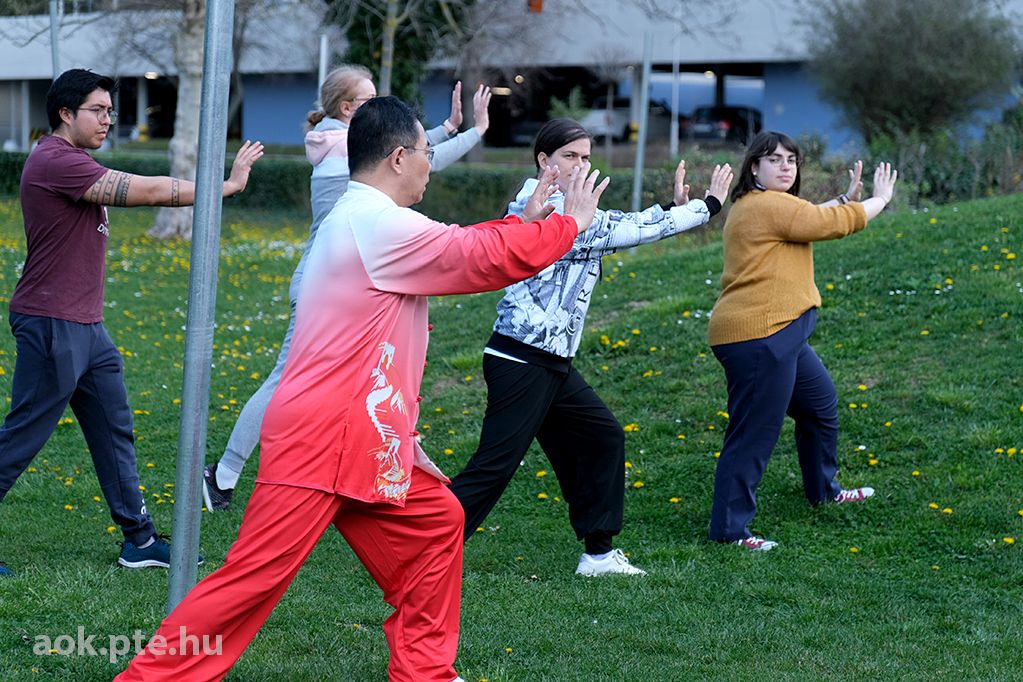
Tuesday – Sport and Recreation: Activities such as Tai Chi, frisbee, and a “Cyclists’ Breakfast” promote active relaxation.
Wednesday – Mental Health: Self-awareness tests, counseling sessions, and meditation experiences highlight emotional well-being.
Thursday – Physical Health: Yoga sessions, exercise classes, and medical screenings emphasize preventive care.
Friday – Sustainability: A farmers’ market and eco-conscious initiatives connect well-being with environmental responsibility.
Throughout the week, additional attractions, such as photo spots, games, and community spaces create a lively atmosphere across the campus.
Members of the university community are also encouraged not only to attend events but also to shape the program itself. “Well-being idea boxes” allow students and staff to share feedback and propose future improvements.
In addition, digital engagement plays a role through the POTE+ app, where users can participate in a themed quiz game aligned with each day’s topic, making the experience both educational and fun.
More Than Just a Week
Although Well-Being Week is a concentrated celebration, it represents a broader, ongoing commitment. The Medical School offers year-round programs from fitness sessions to mental health workshops, ensuring that well-being is not treated as a one-time event but as a continuous priority.